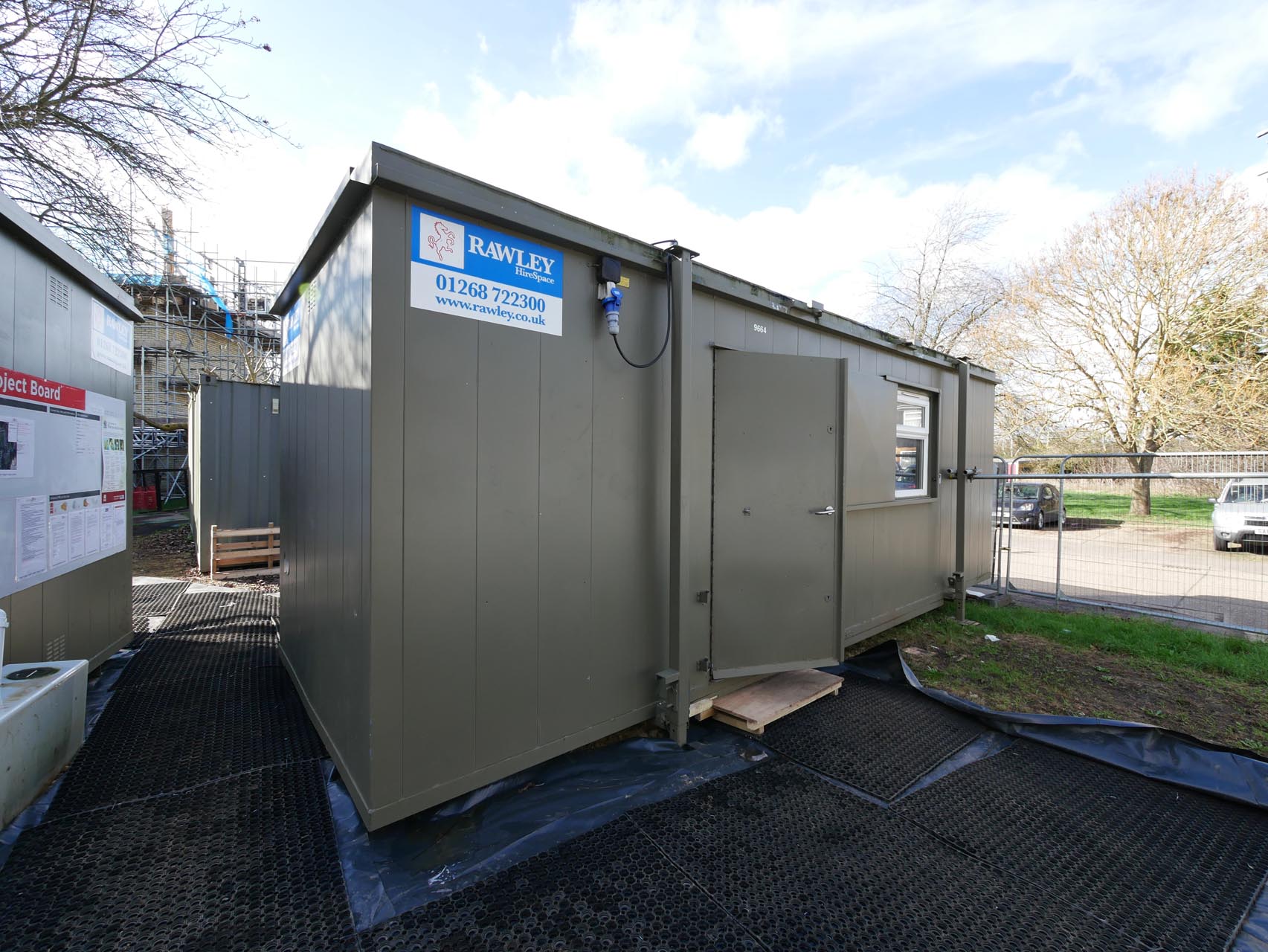
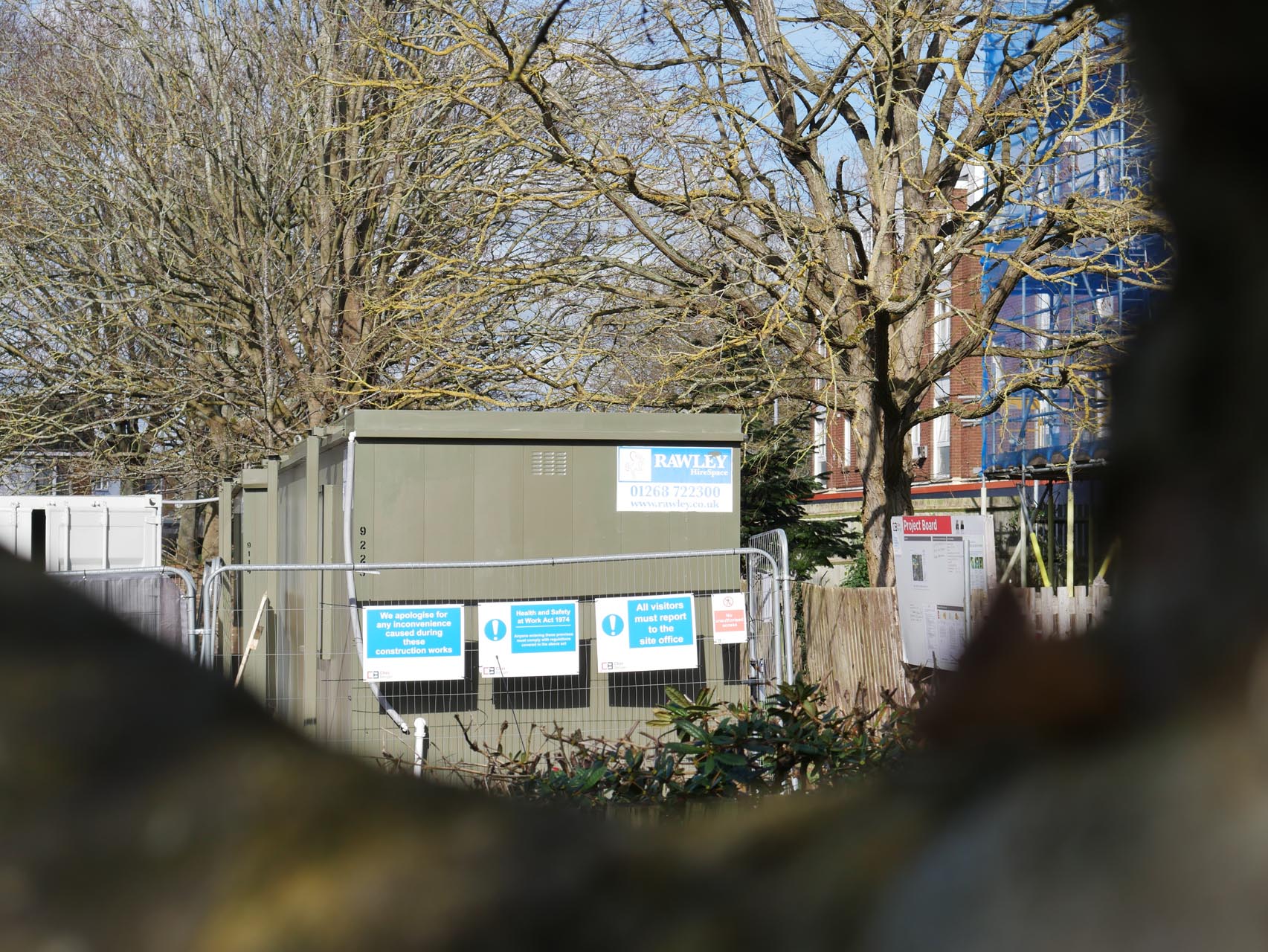
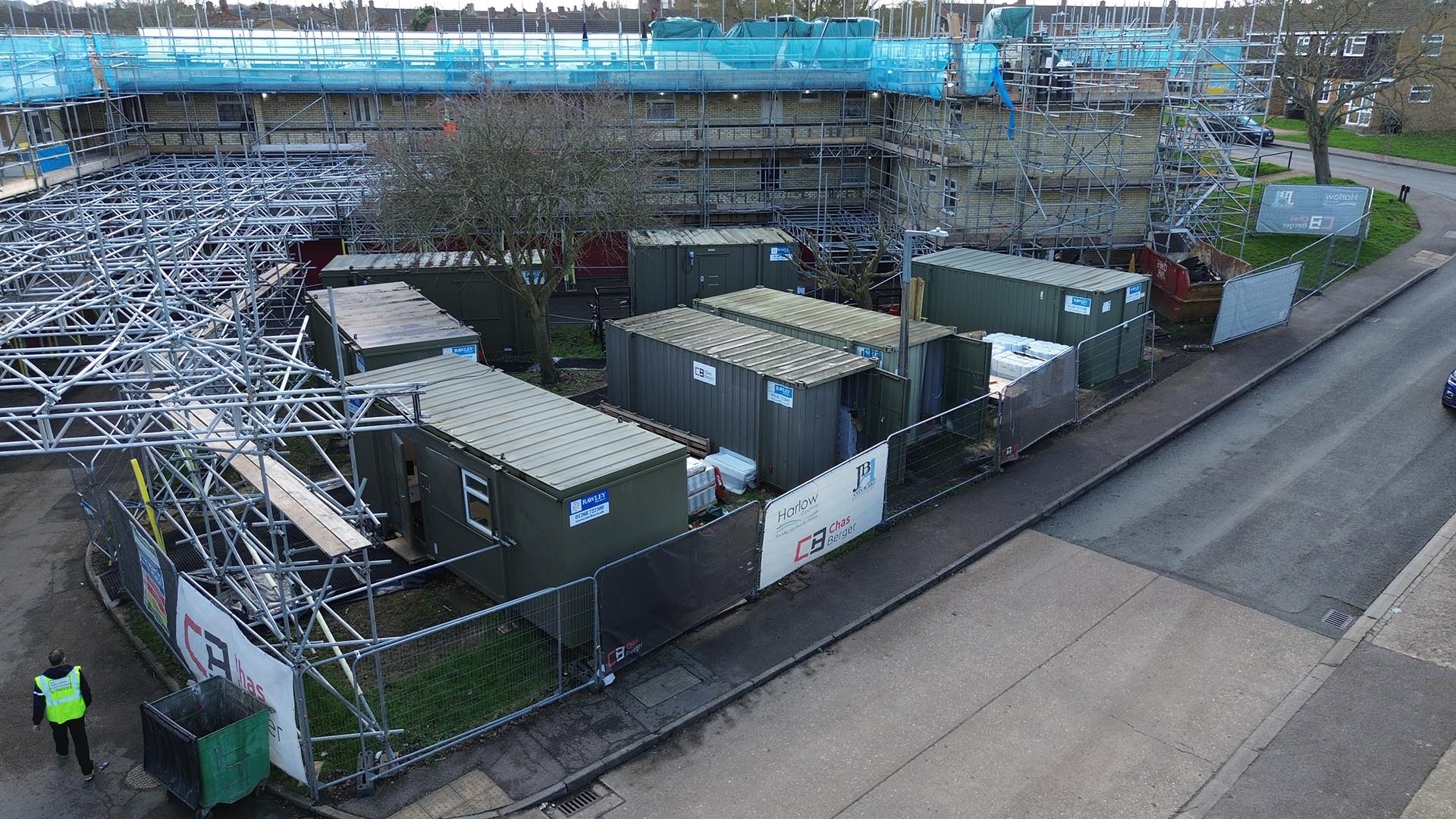
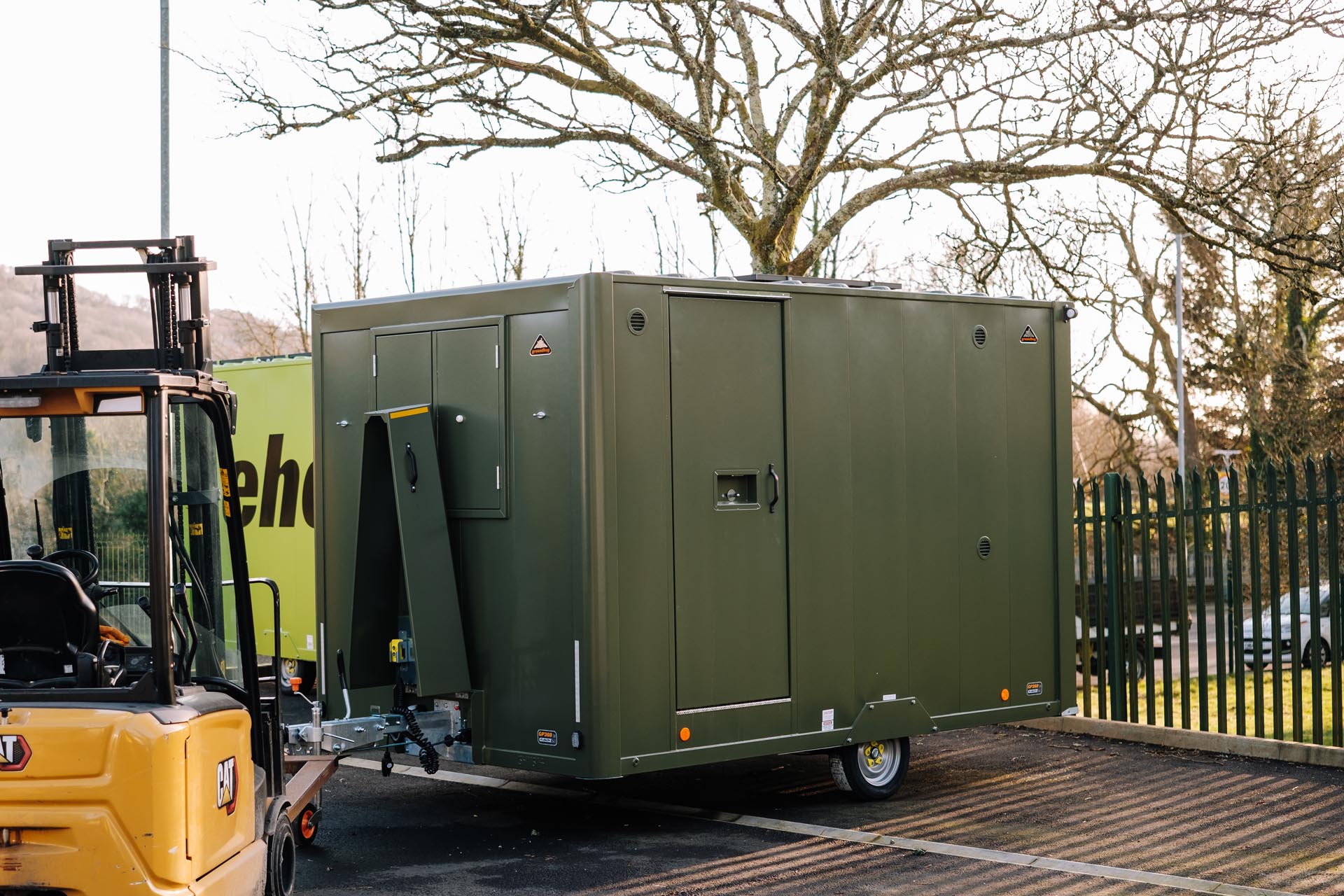
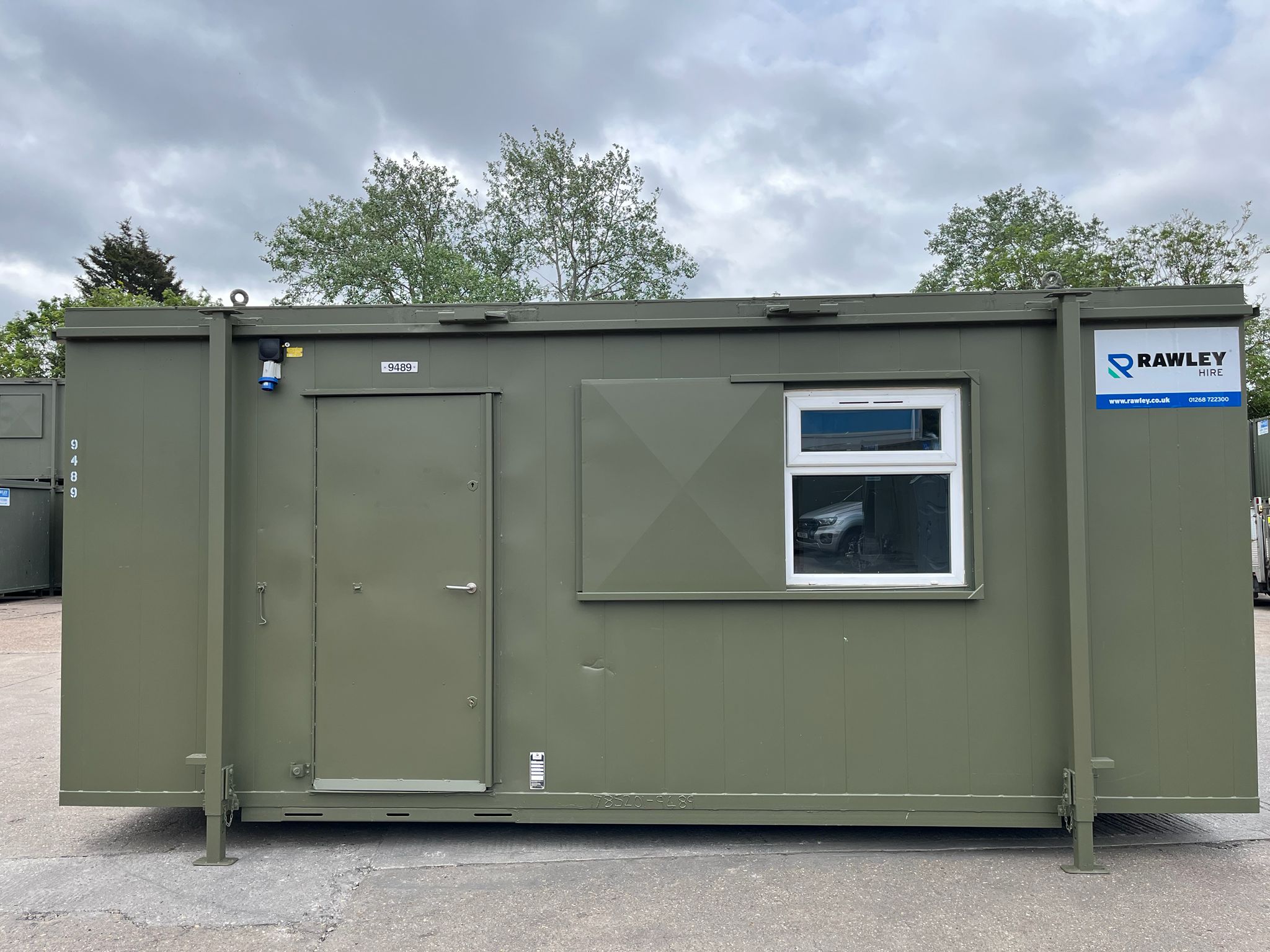
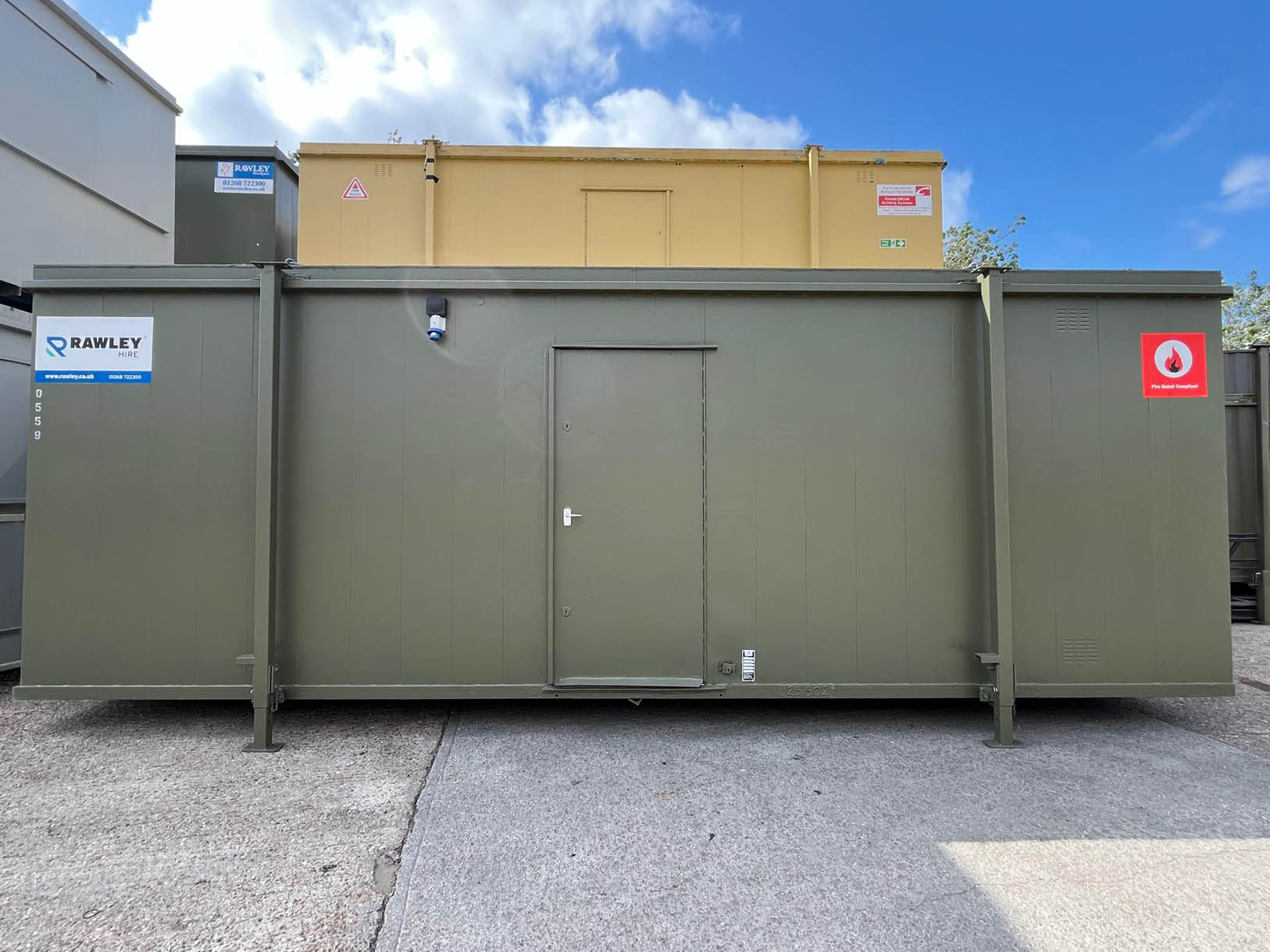
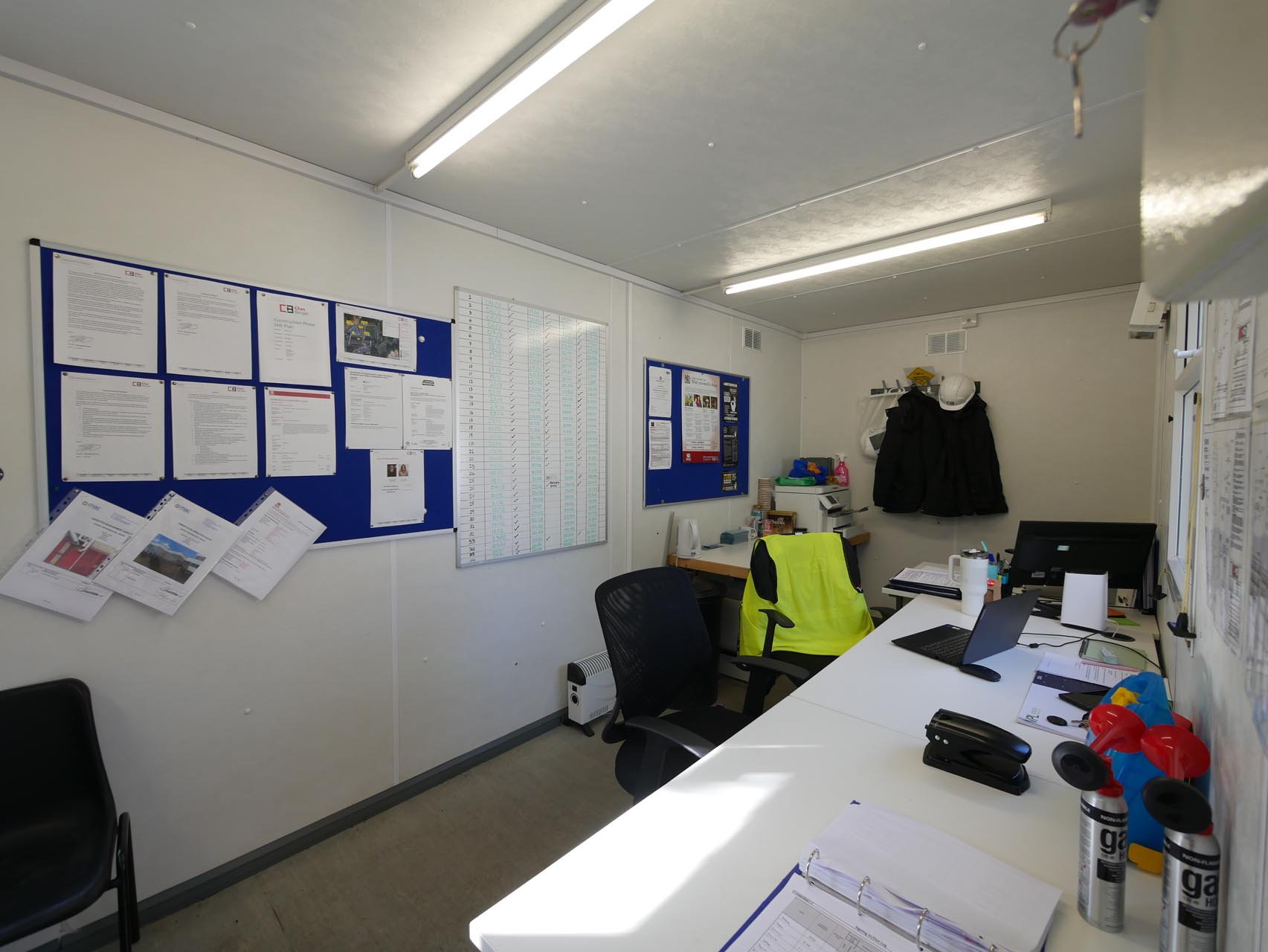
When planning your site accommodation, the space available can affect which cabins you need. Positioning cabins close to an existing building or construction work brings different fire-safety considerations from a layout with more room between them.
The Joint Code of Practice (JCoP) provides guidance on fire prevention on construction sites, including the use of temporary offices, welfare facilities and storage cabins. Here are the key points to consider when planning your setup.
Why does the distance between buildings matter?
A fire break is the clear space between buildings that helps reduce the risk of fire spreading from one to another.
JCoP guidance states that temporary cabins should be separated from buildings under construction or refurbishment, and other permanent buildings, by as wide a fire break as reasonably practicable. A key consideration is whether your site can accommodate a 6-metre clear fire break.
Where a 6-metre fire break cannot be achieved
On sites with limited space, cabins may need to sit closer to surrounding buildings. Where the fire break is less than 6 metres, the cabins need to meet the fire-performance requirements set out in JCoP Section 13.3.
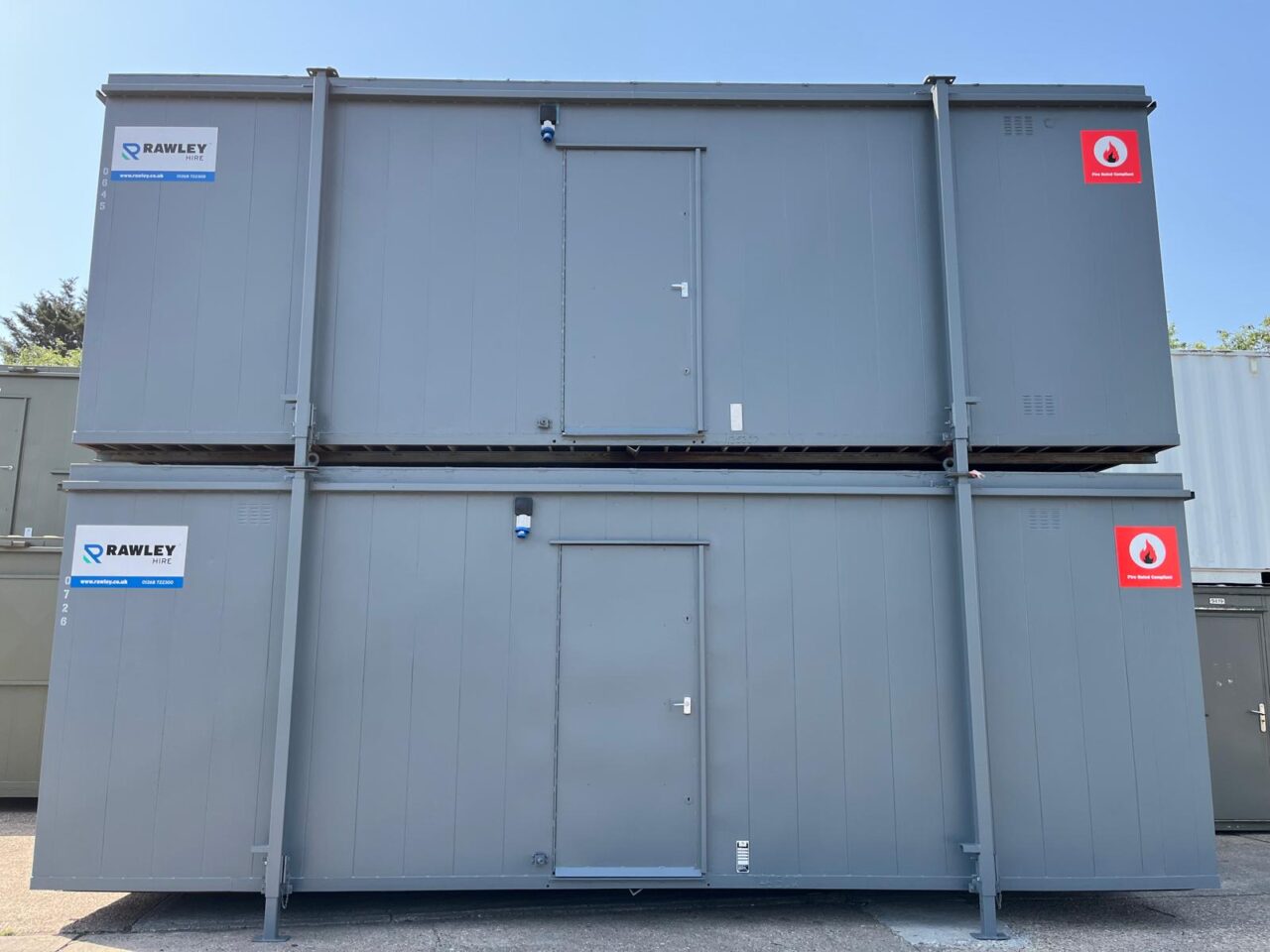
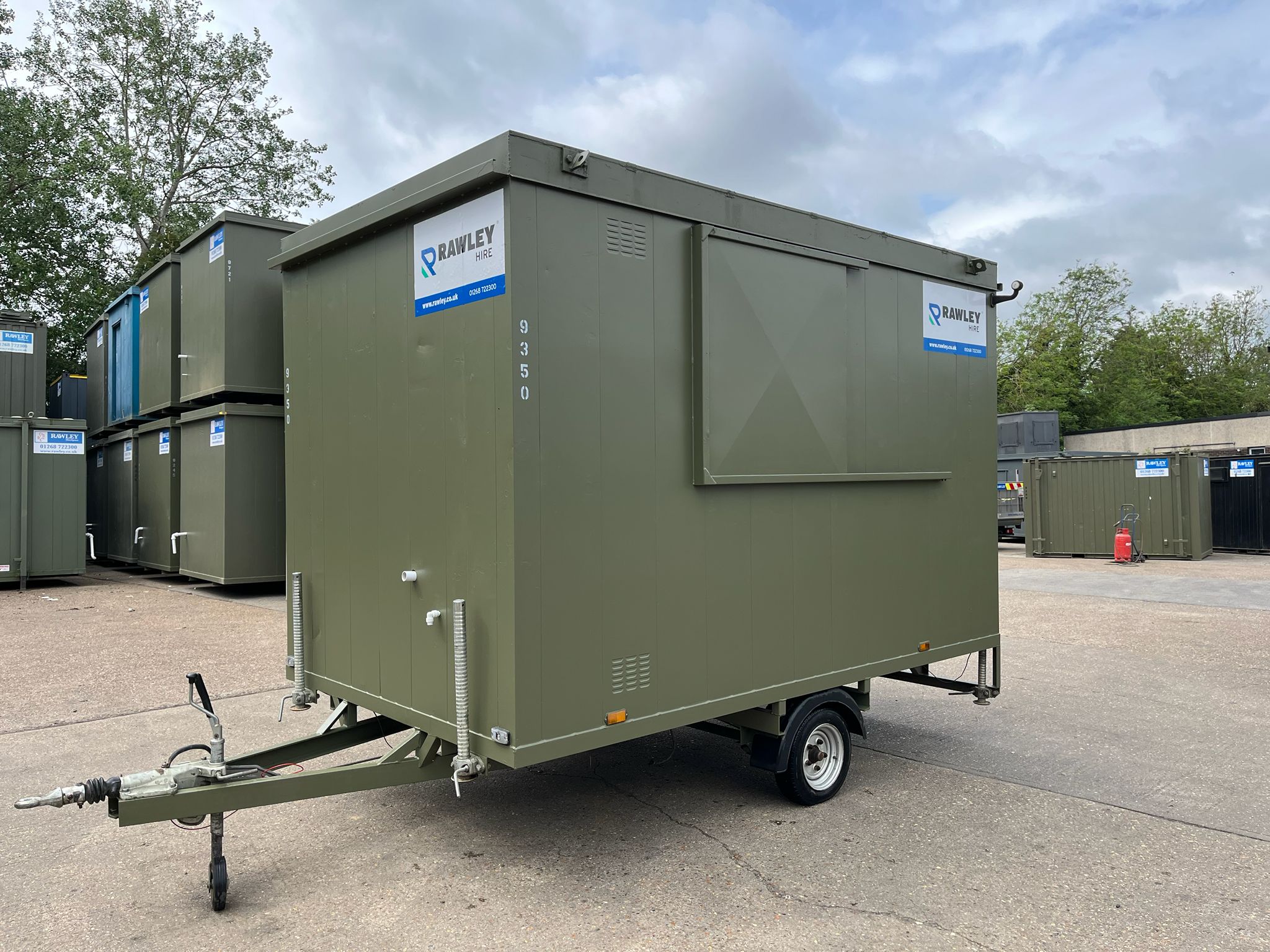
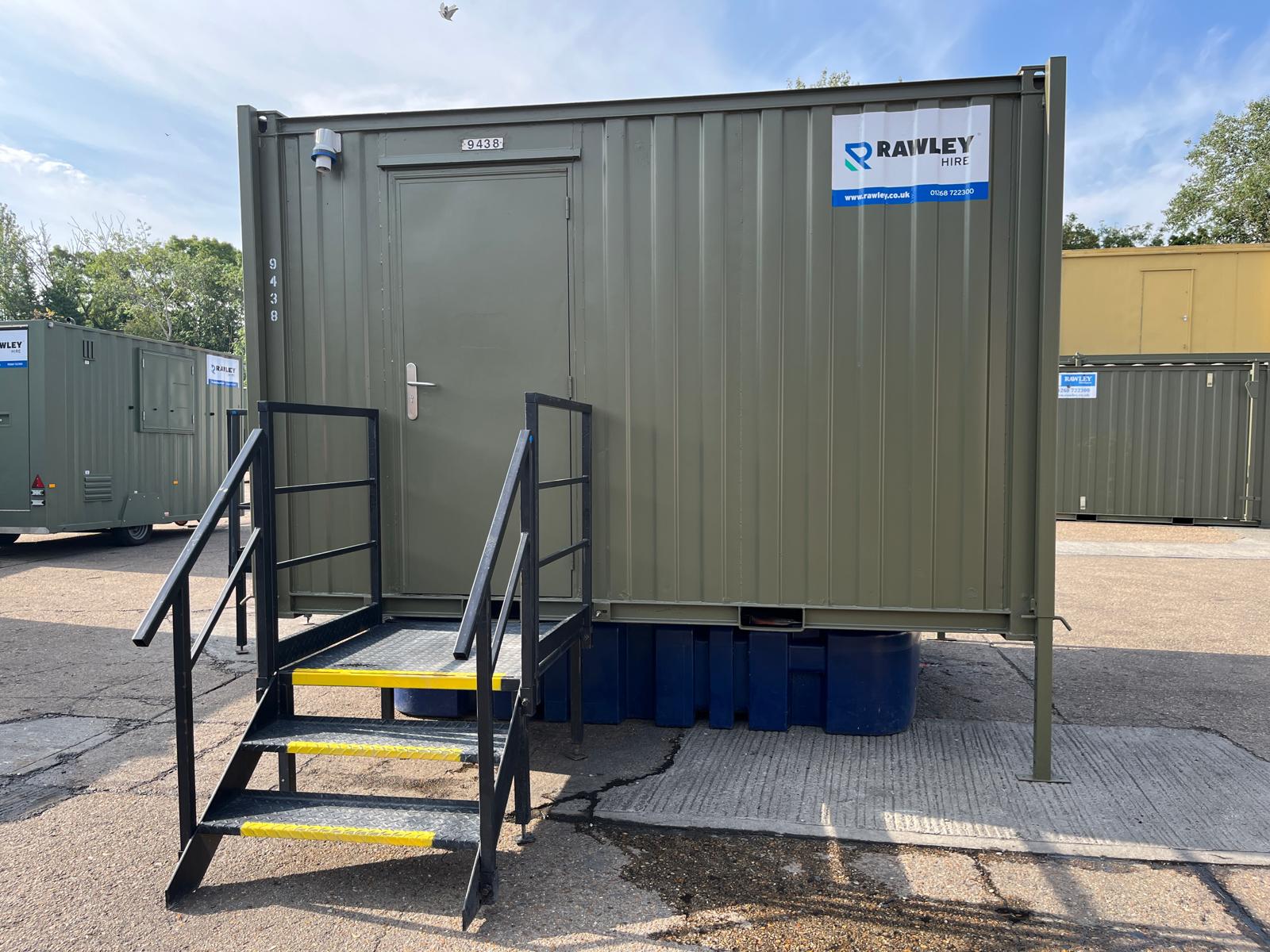
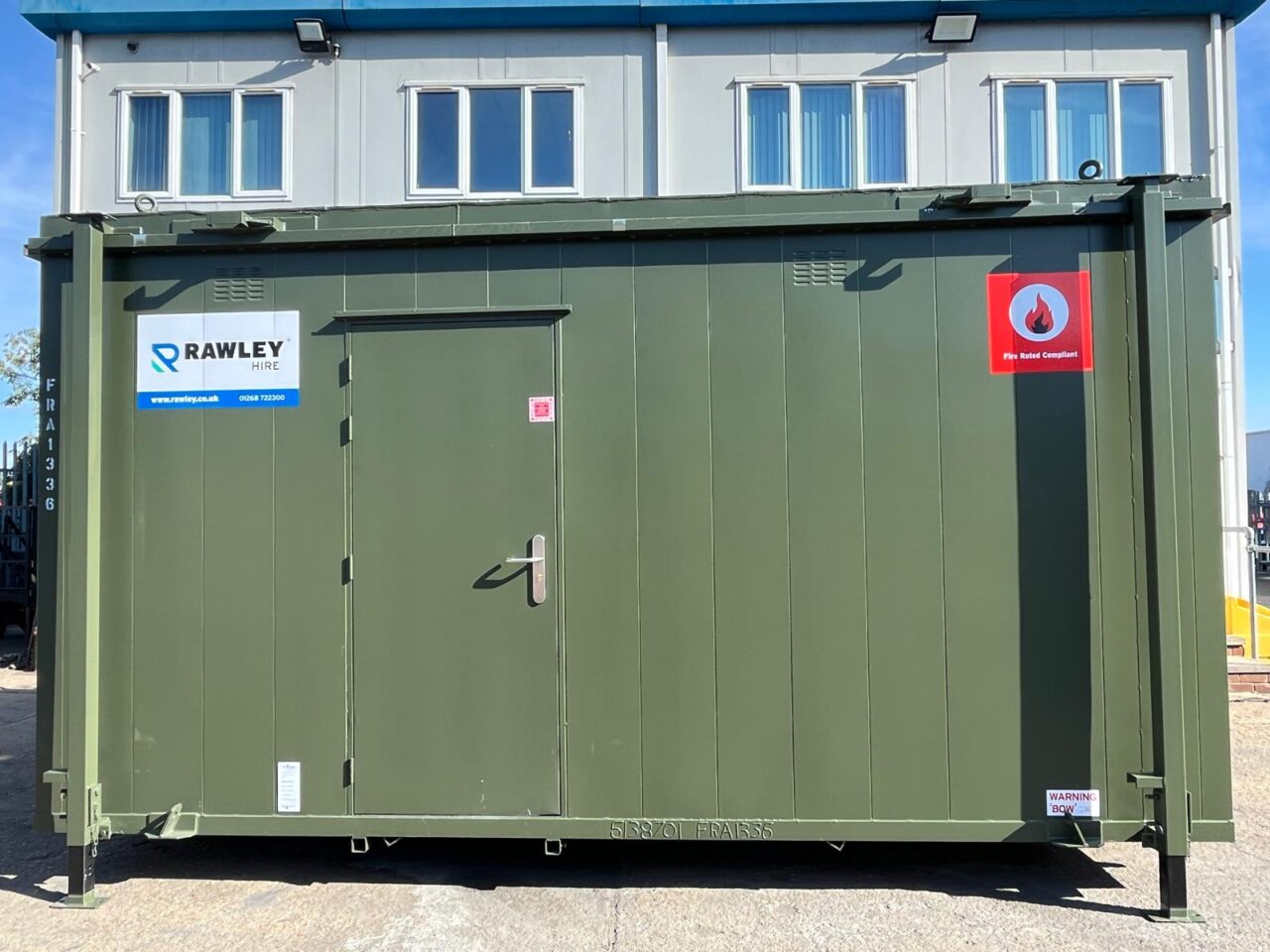
Rawley Hire’s fire-rated cabins are designed for these situations, with options for both single-storey and multi-storey accommodation.
Where there is more than a 6-metre fire break
A wider fire break can allow greater choice, including Rawley Hire’s eco and anti-vandal cabins, subject to your project’s requirements.
There are still important exceptions to consider:
- Stacked cabins: The floor and roof assembly between levels, and its supporting structure, must provide the specified 30-minute fire resistance.
- Large timber-frame construction: The guidance increases the fire-break distance to 20 metres.
The distance between buildings is one part of the decision. Your site’s fire risk assessment and insurer’s requirements should also inform your choice.
What does “fire-rated” mean?
Fire-rated cabins are built to meet specified fire-performance requirements, helping limit the spread of fire for a defined period.
This involves more than the external walls. The cabin’s construction, supporting structure and openings all contribute to its performance. Choosing suitable accommodation means checking that the complete specification meets your project’s requirements.
What changed with JCoP 10.2?
JCoP 10.2 sets out updated requirements for temporary buildings manufactured from January 2025.
Older cabins are not automatically excluded. Cabins manufactured before 1 January 2025 can continue to be used where they meet the relevant JCoP 9th Edition requirements and are properly maintained.
When arranging hire, it is therefore important to confirm the cabin’s suitability for your site, rather than relying on its age alone.
Choosing the right Rawley Hire cabin
Rawley Hire offers accommodation for a range of site layouts:
- Fire-rated cabins: For sites where a 6-metre clear fire break cannot be achieved.
- Eco cabins: Energy-conscious accommodation for sites where a 6-metre fire break can be achieved.
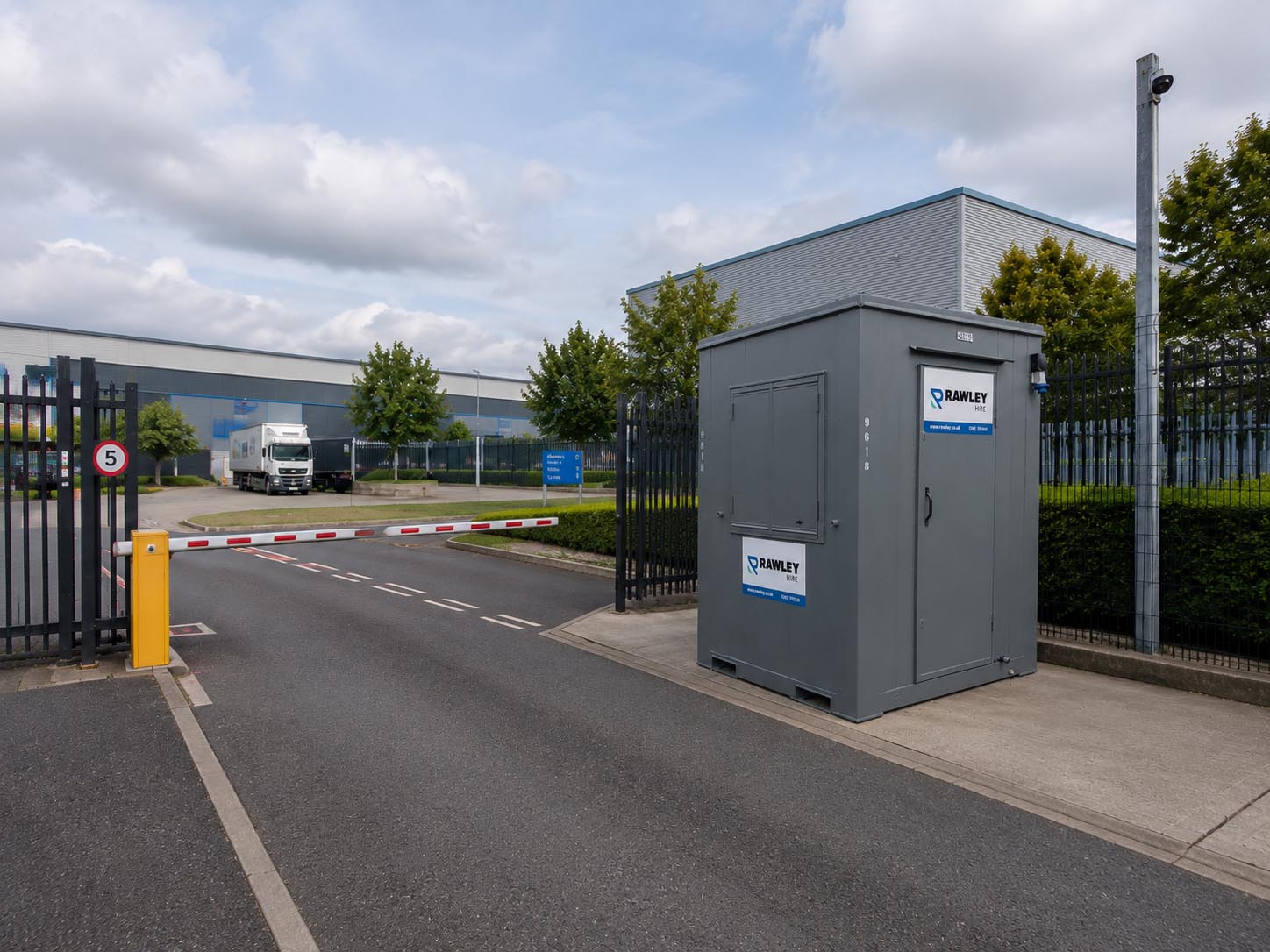
- Anti-vandal cabins: Secure site accommodation for sites where a 6-metre fire break can be achieved.
Single-storey and multi-storey options are available, with the final choice depending on your site layout and required specification.
Planning your site accommodation? Contact Rawley Hire to discuss your cabin requirements, or view our fire-rated solutions for more information about available options.
This article provides an overview. Customers are responsible for carrying out a fire risk assessment and confirming the accommodation specification required by the applicable guidance and their insurer.
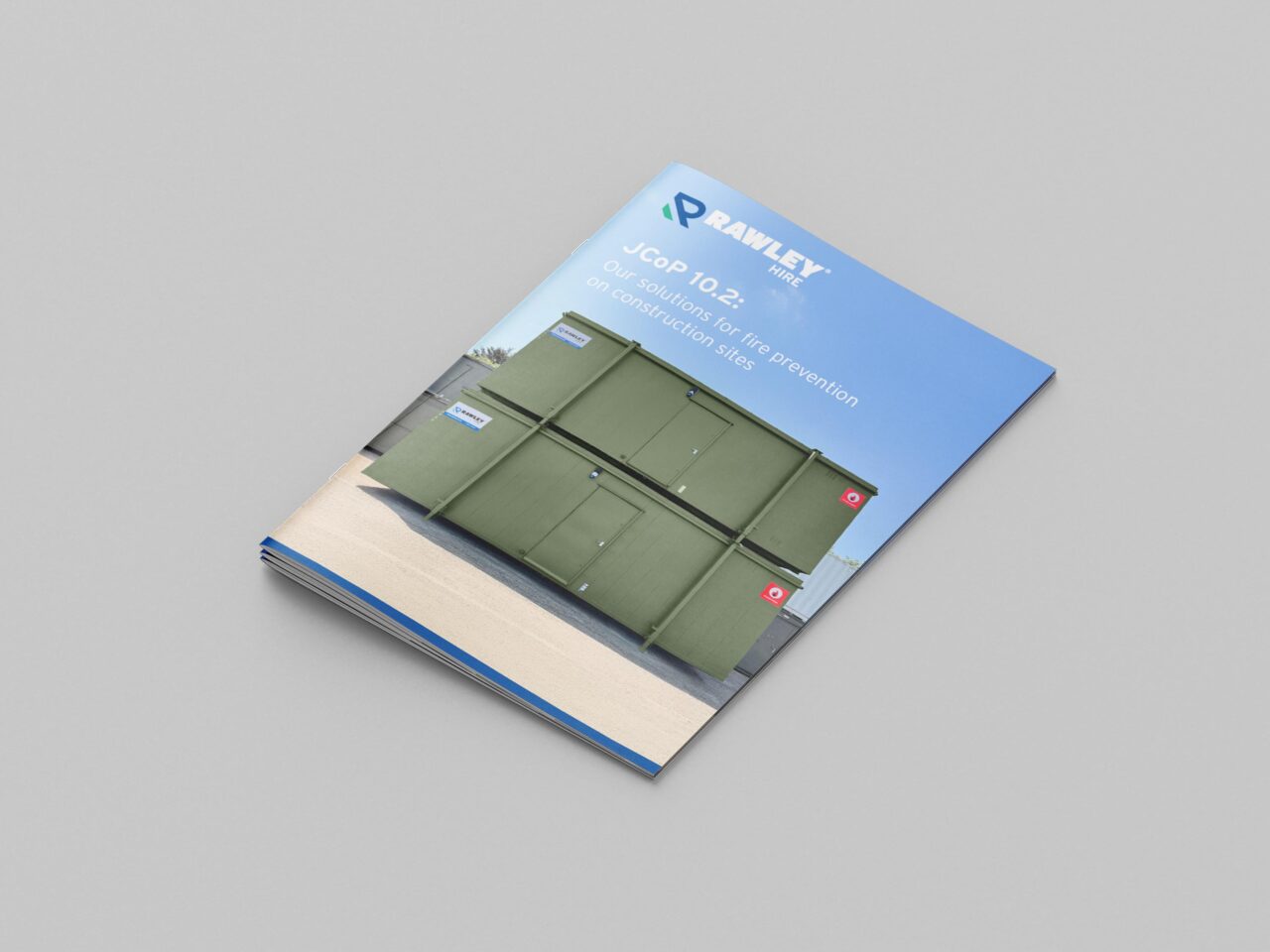
JCoP 10.2 Fire Safety Guide
Understand the fire safety requirements for temporary buildings on construction sites, including when fire-rated accommodation may be required and how Rawley Hire solutions can support JCoP 10.2 compliance.
You might be interested in...
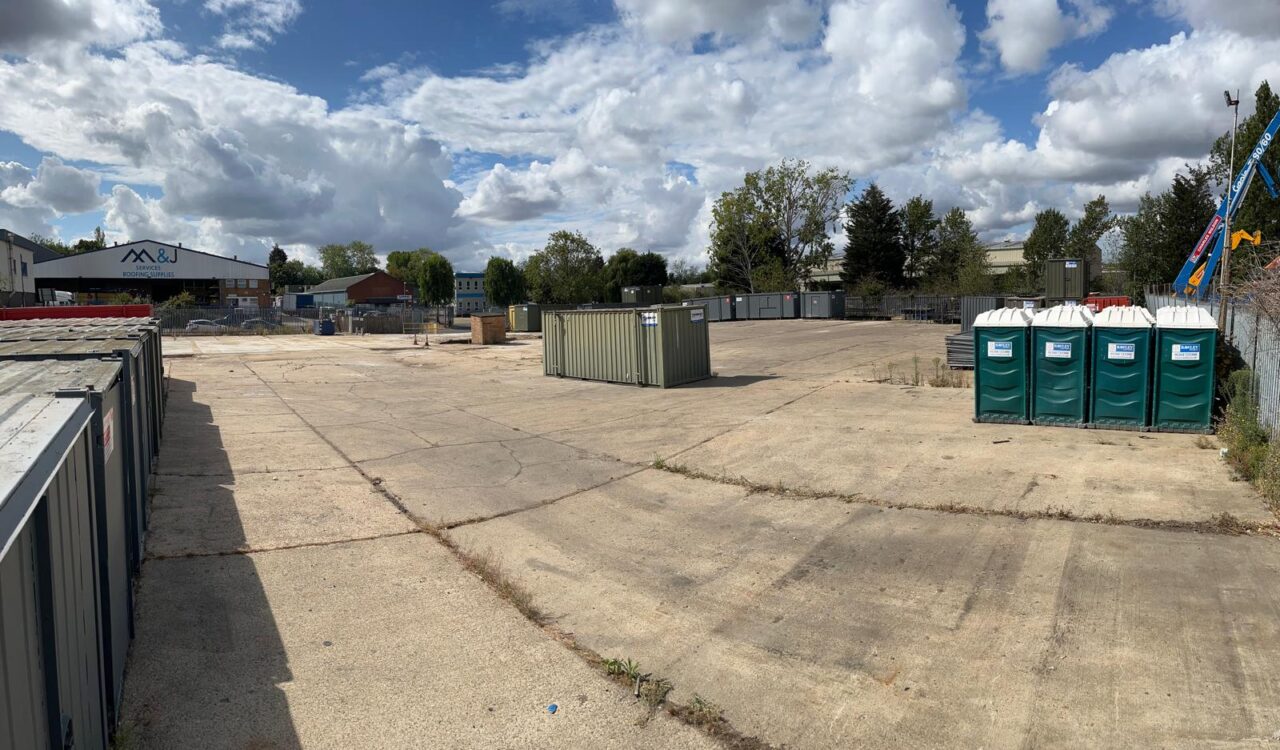
Rawley Hire Purchases New Yard to Expand Depot
View article