Managing a construction project in London or the South East requires meticulous planning, ensuring worker health and safety sits at the very top of the list. Under the Construction Design and Management Regulations 2015 (CDM), providing suitable facilities from day one is not optional, but a strict legal mandate. Navigating these compliance standards can be complex, but choosing the right partner for your welfare unit hire simplifies the process.
Understanding CDM Welfare Requirements
The primary legislation governing site facilities is the CDM 2015 regulations. To comply with CDM welfare requirements, suitable facilities must be provided for the workforce, including:
- Sanitary Facilities: Toilets must be clean, well-lit, ventilated, and properly maintained. For portable chemical toilets, guidance recommends one toilet for every seven people working a 40-hour week where toilets are serviced weekly, although requirements will vary depending on use and servicing frequency.
- Washing Facilities: Washing stations must be located immediately adjacent to toilets and changing areas. They must include basins with hot and cold (or warm) running water, soap, and efficient hand-drying provisions.
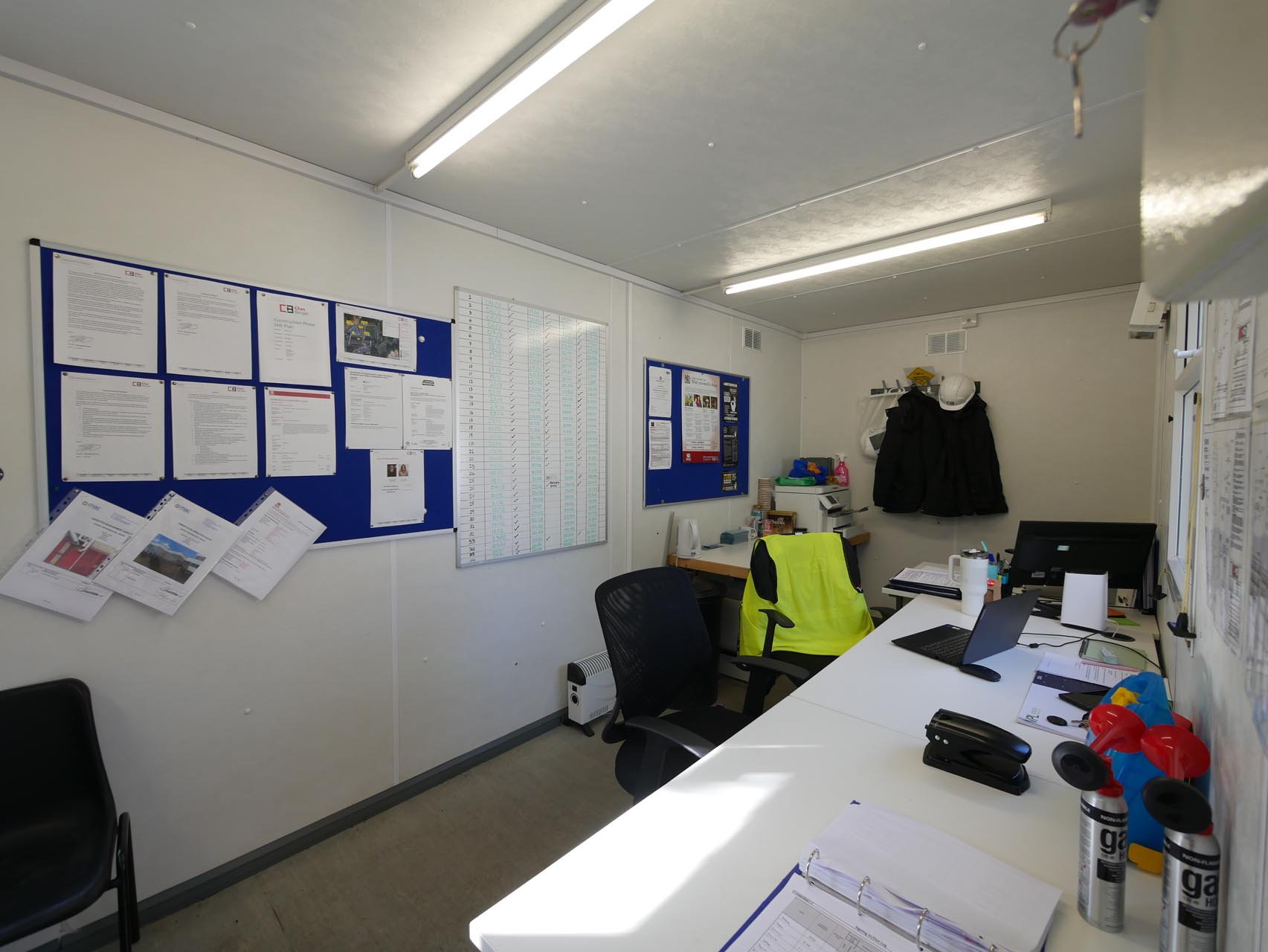
- Rest and Canteen Areas: Workers require a sheltered space protected from the elements. This area must be equipped with adequate tables and seating with back support, along with facilities to heat food and boil water for hot drinks.
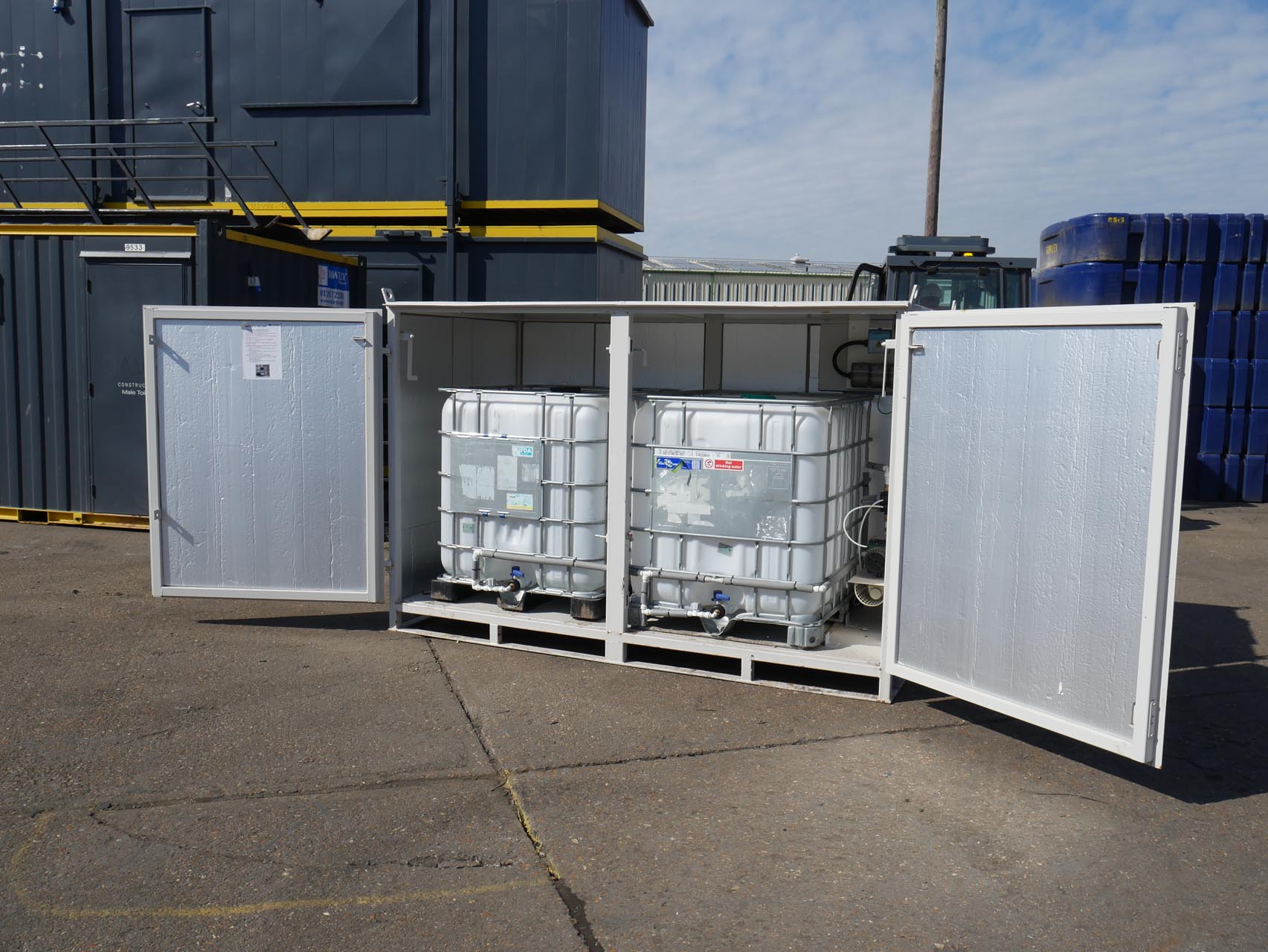
- Drinking Water: A readily accessible supply of potable drinking water must be provided across the site.
- Changing and Drying Rooms: If workers need to change into specialist PPE, or if their work clothing gets wet, secure changing spaces and well-ventilated drying rooms are required.
Failure to provide suitable welfare facilities can result in enforcement action from the HSE and disruption to the project.
Matching Welfare Units to Your Workforce and Site Layout
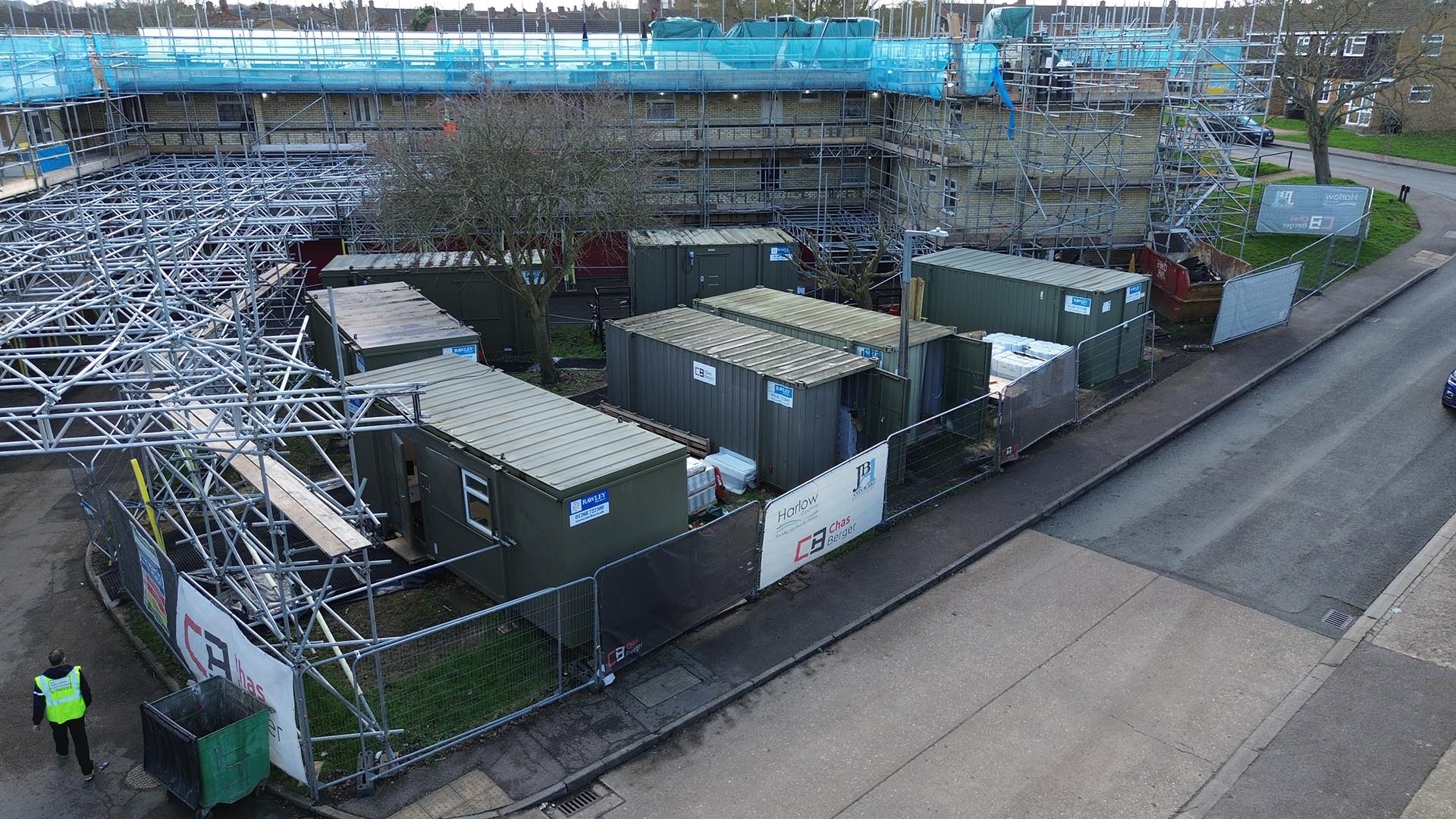
The scale and duration of your project dictate exactly what type of site accommodation you need. Whether you are operating a fast-moving, short-term highway project or a long-term housing development, selecting the correct welfare units keeps your site compliant and your crew productive.
- Mobile Welfare Units for Short-Term or Restricted Sites
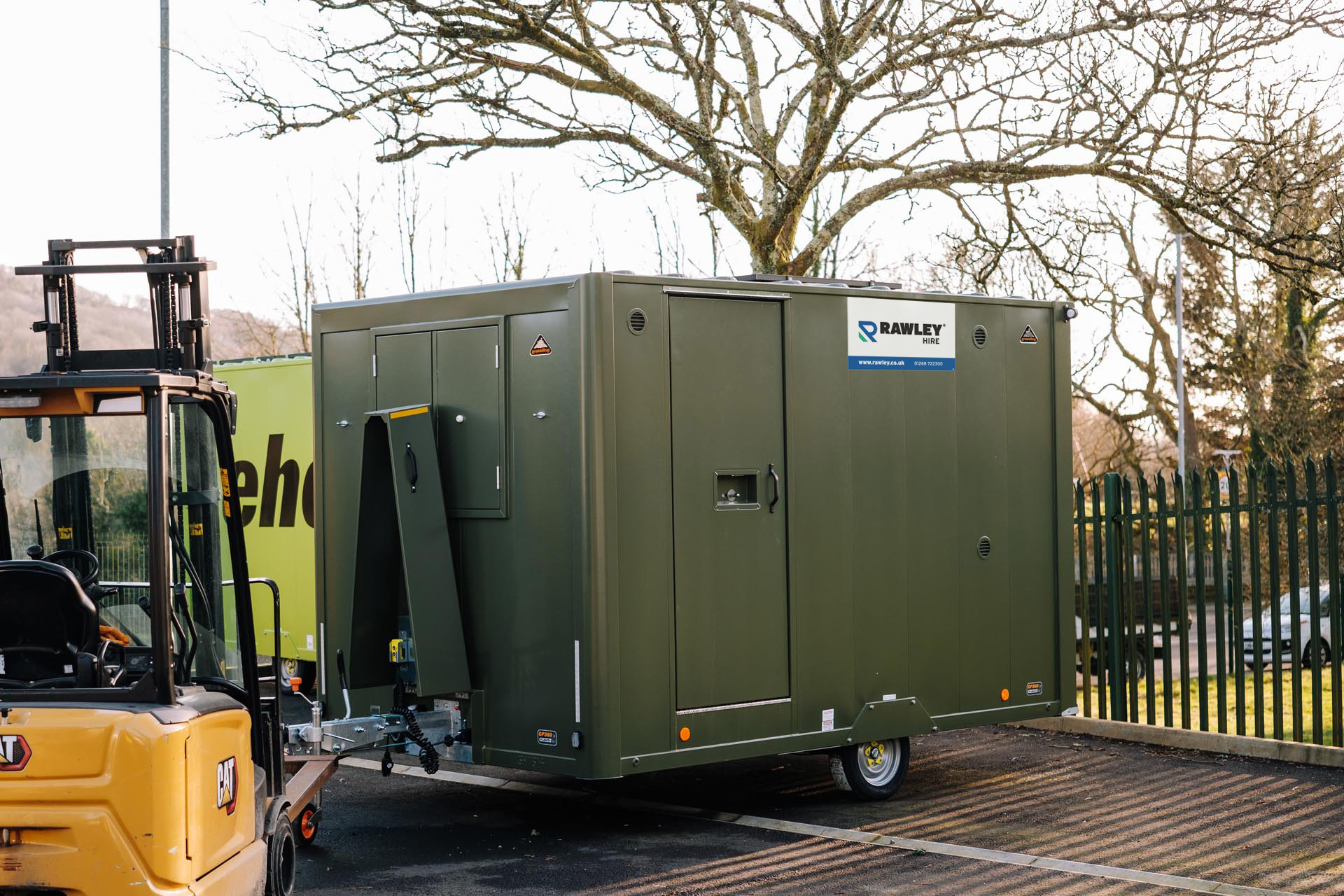
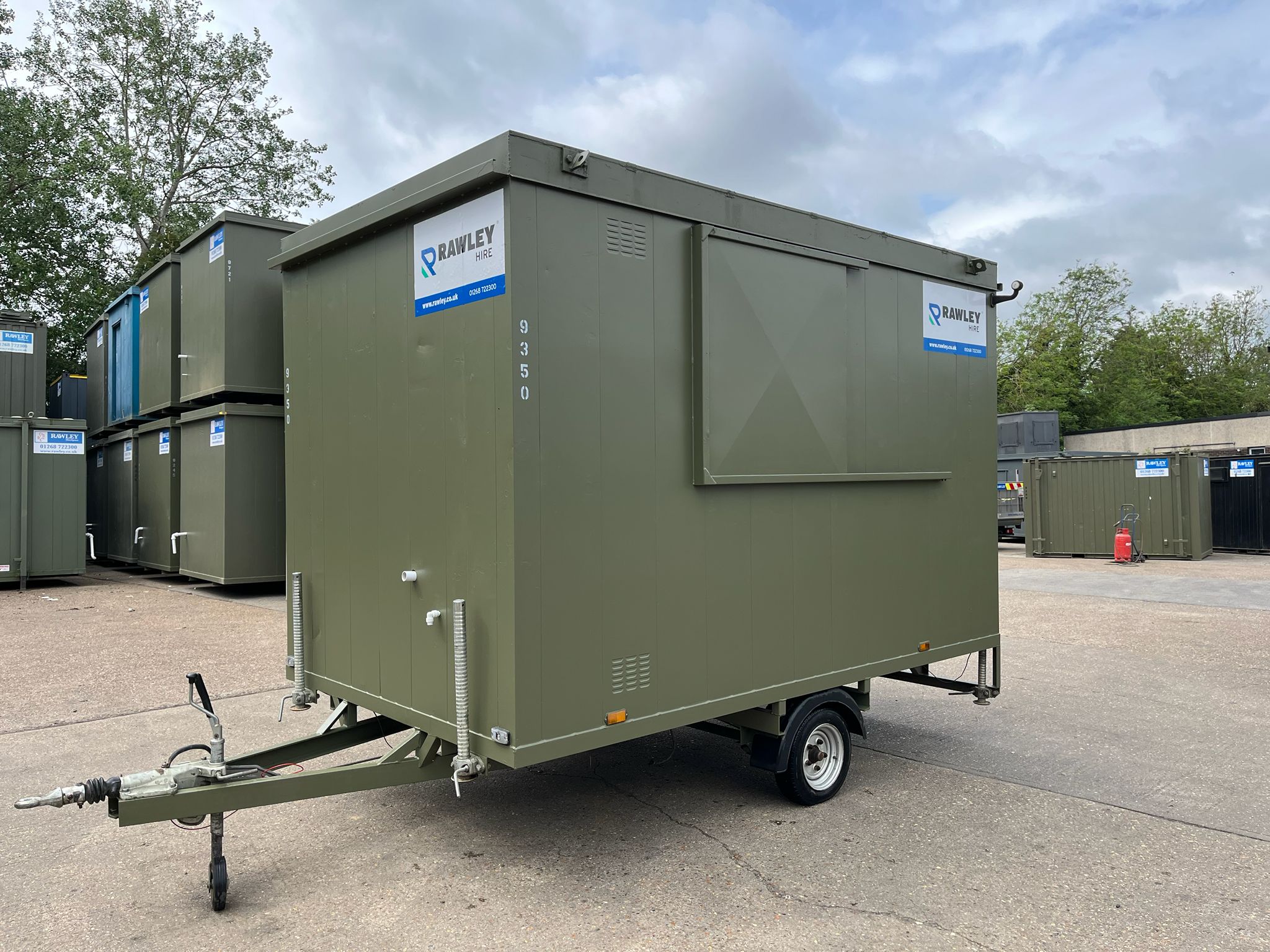
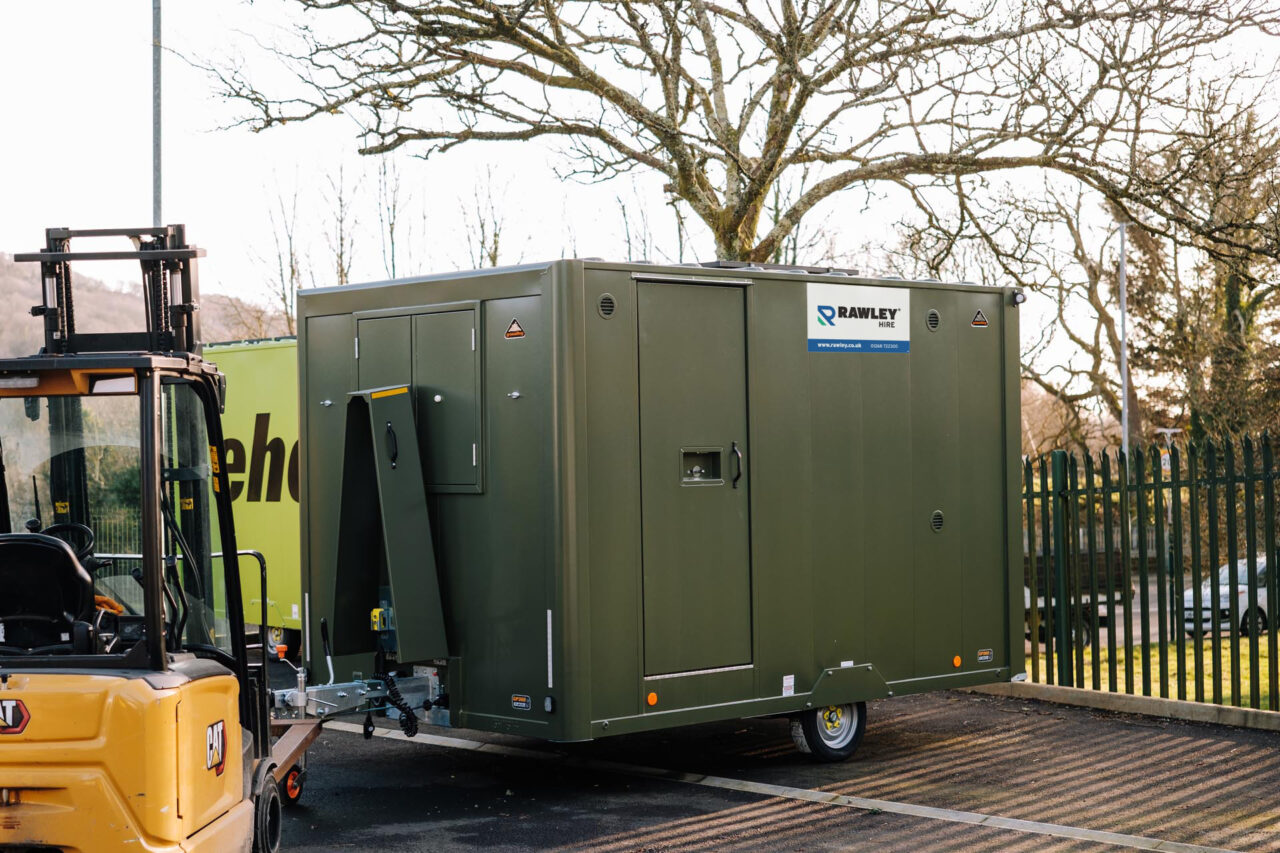
For projects requiring rapid deployment, restricted access or a setup that moves alongside the project’s progress, mobile configurations provide an ideal, self-contained solution.
Rawley Hire’s robust range of mobile welfare units includes 12ft and 16ft towable models perfectly suited for smaller teams. Options like the GP360 Fusion Li (utilising advanced lithium battery technology) and the GPO360 Fusion Pulse are designed to reduce generator runtime, fuel use and associated emissions.
For slightly larger mobile teams, the GPO500 Fusion Pulse provides expanded capacity without sacrificing rapid towable mobility.
- Static Welfare Units for Long-Term Infrastructure
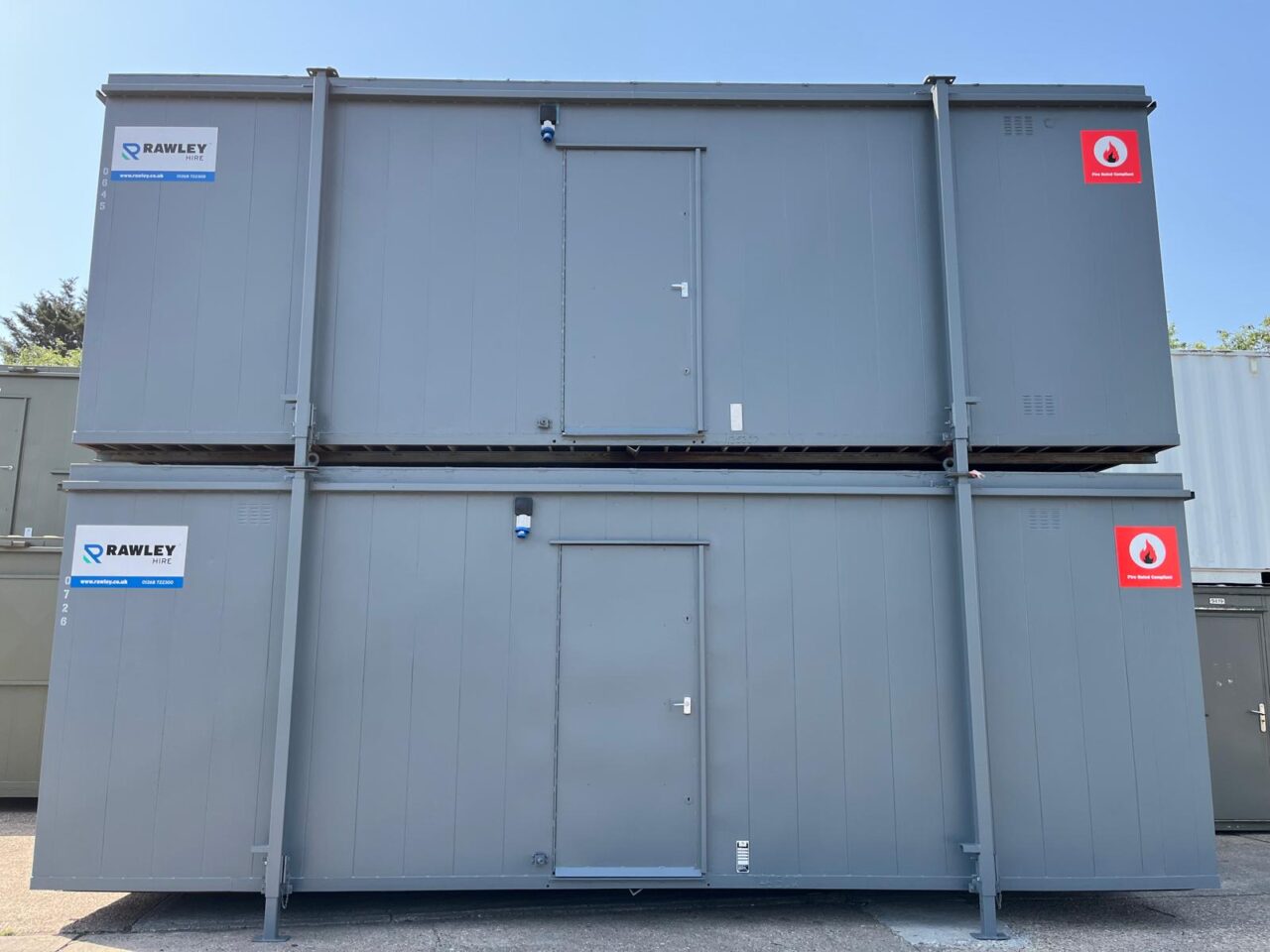
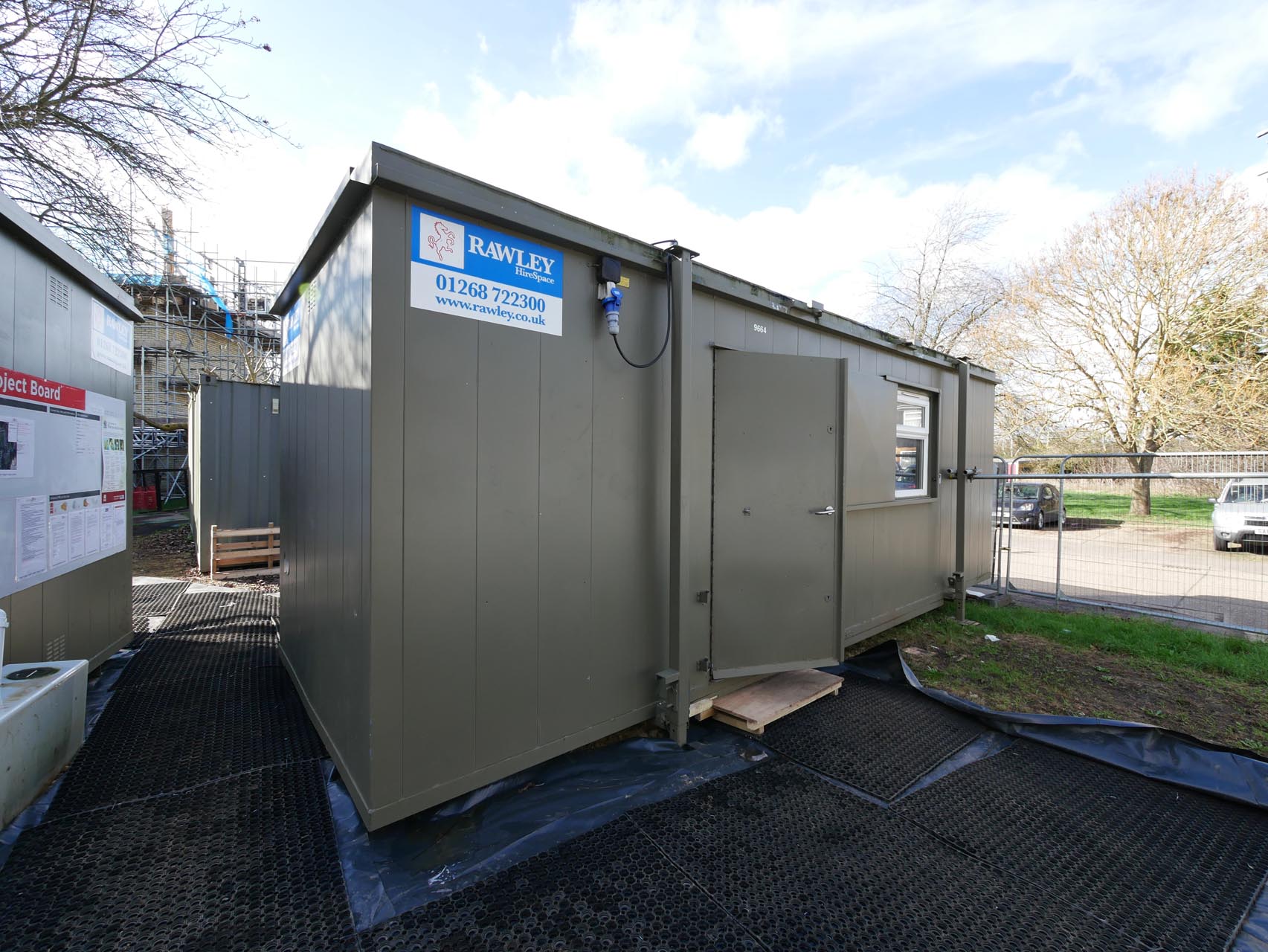
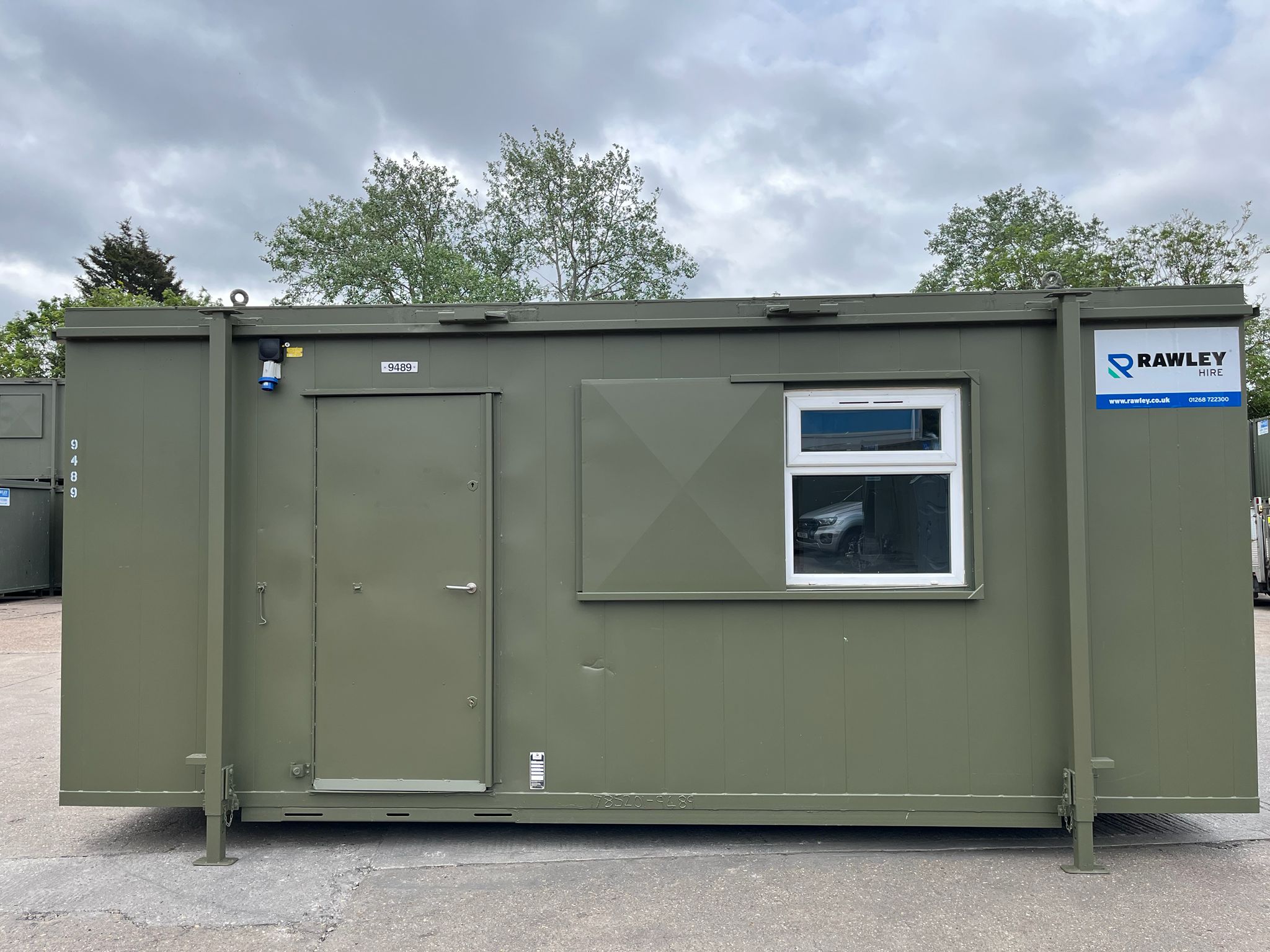
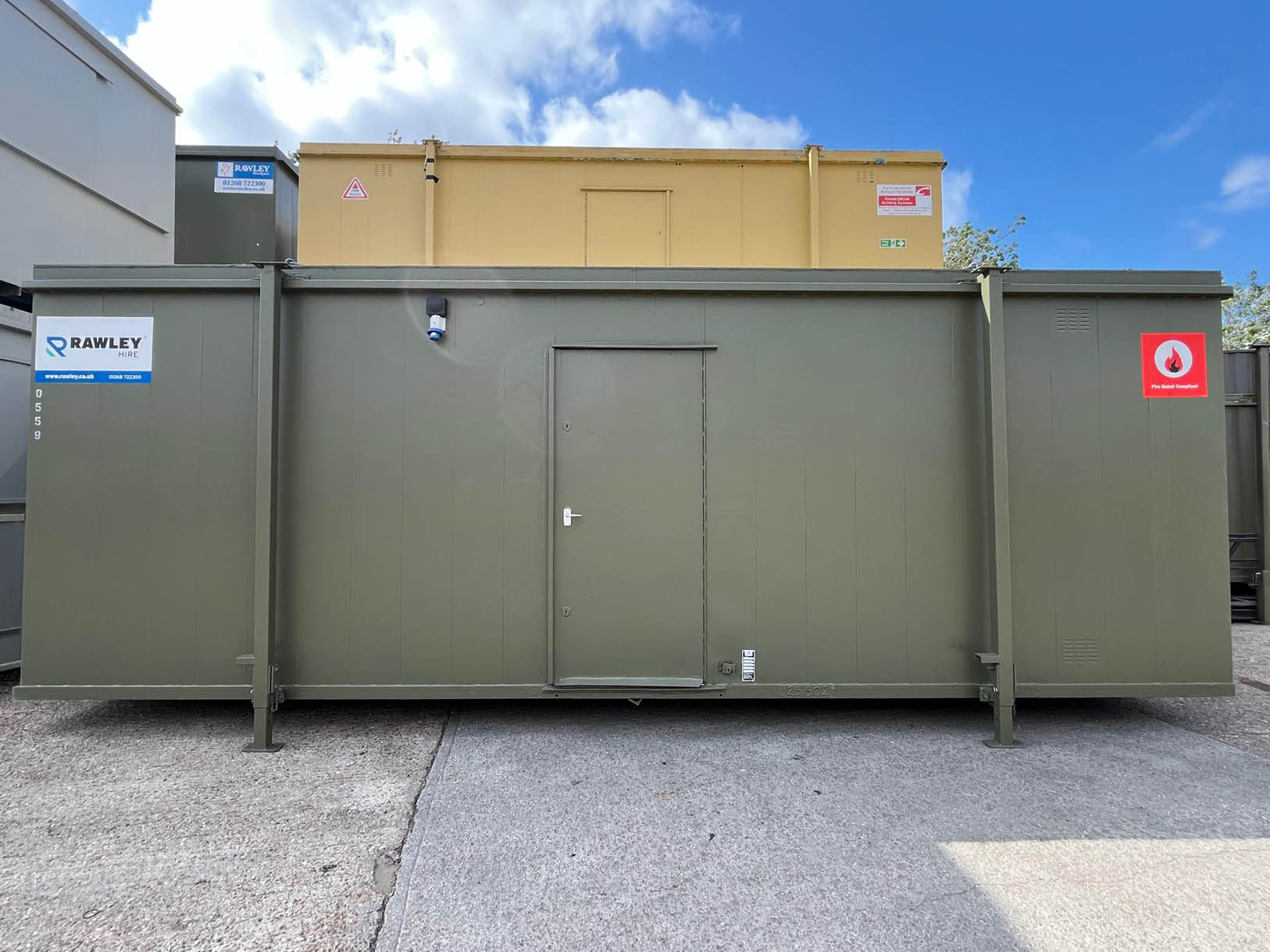
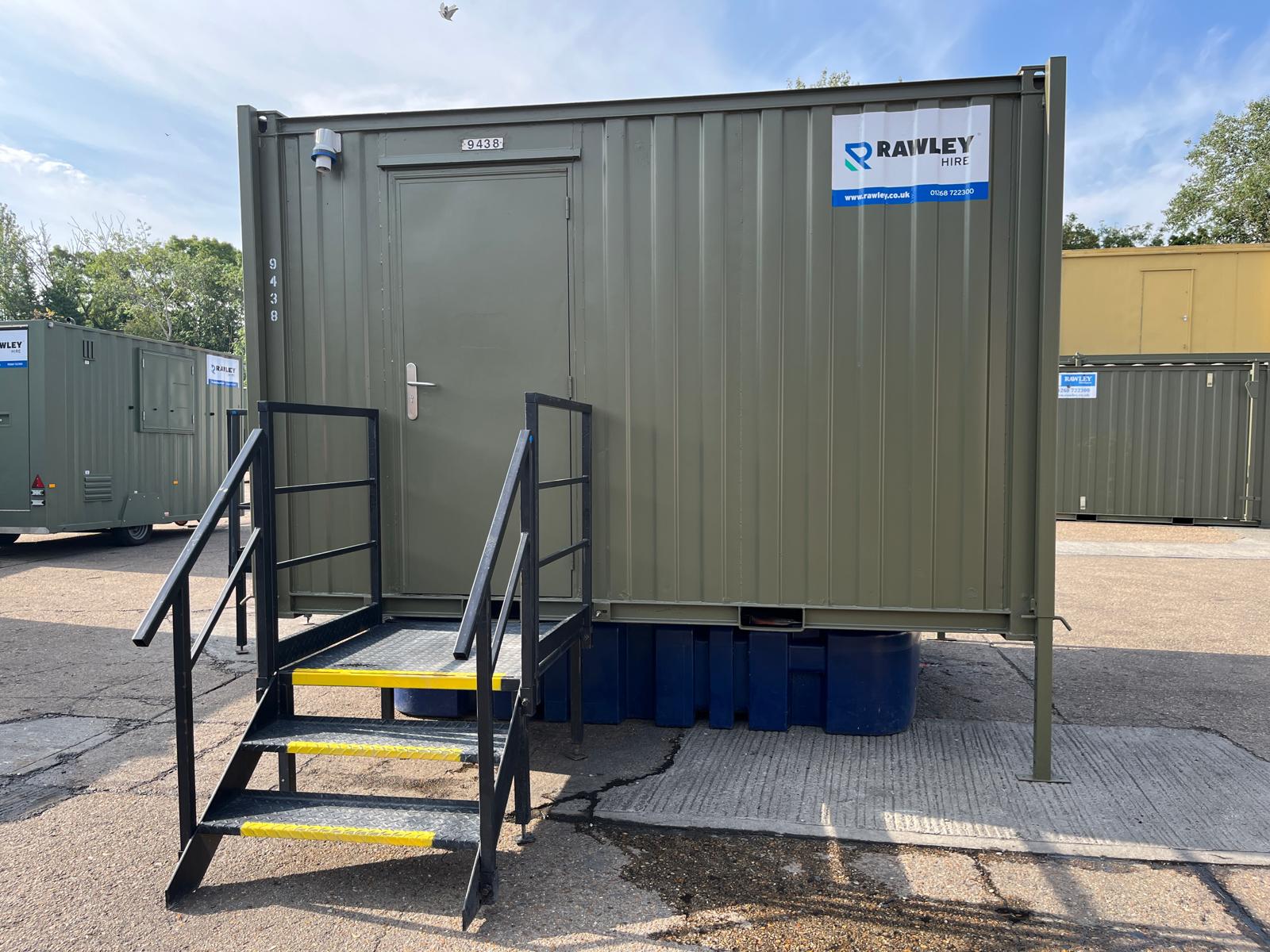
When a project demands a more permanent footprint with higher workforce capacities, static cabins become the standard choice. These heavy-duty, anti-vandal units offer maximum security and generous space for mixed-use site configurations.
For these larger demands, Rawley Hire provides high-capacity options such as the 25ft SWO7600 Fusion Pulse static welfare unit, balancing extensive internal space with eco-rated power management.
Ensure Compliance from Day One
Securing the correct facilities before your team breaks ground protects your project from compliance interventions and supports your workforce’s wellbeing.
By assessing your peak headcount and choosing the right combination of mobile and static welfare unit hire options, you can build a safer, more efficient and fully regulation-compliant working environment.
You might be interested in...
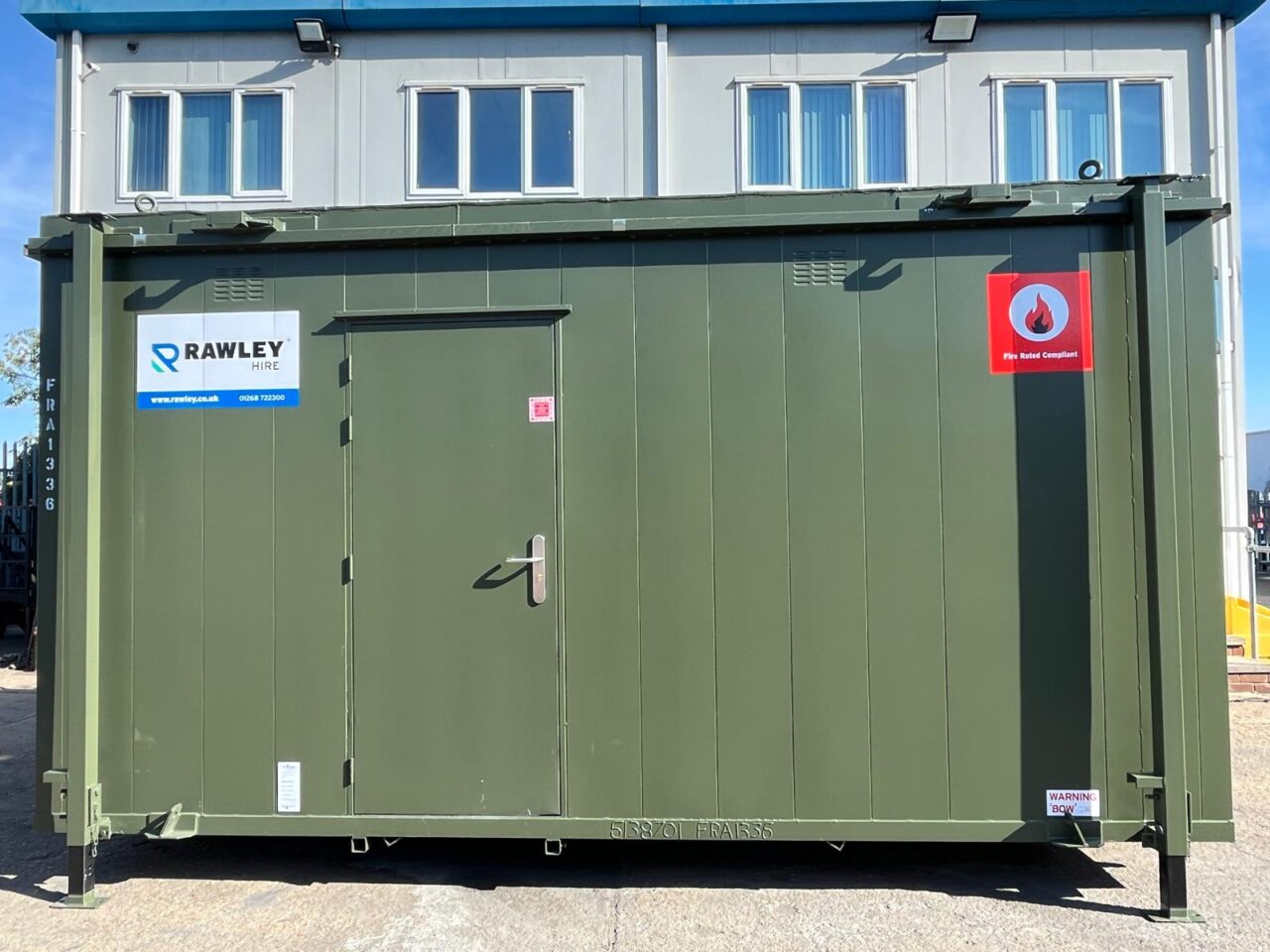
When Do You Need a Fire-Rated Site Cabin?
View article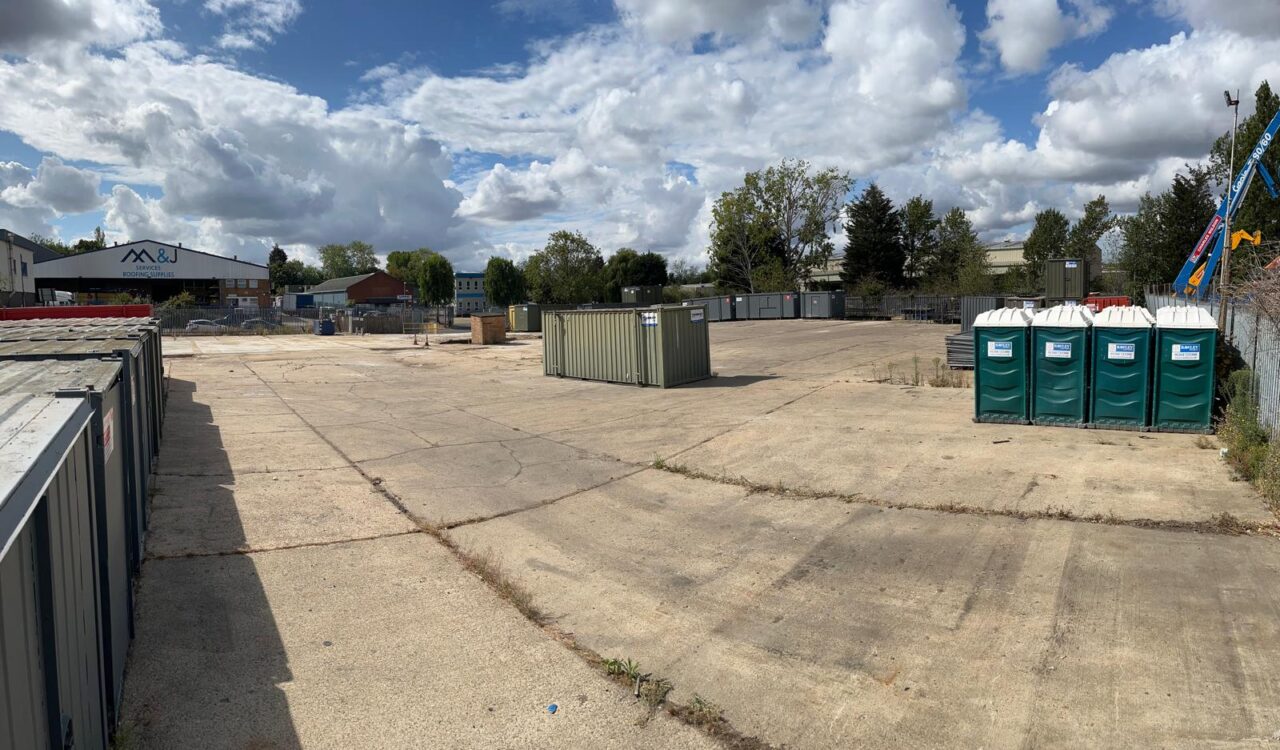
Rawley Hire Purchases New Yard to Expand Depot
View article